Sep. 21, 2026
News
What Equipment Is Needed to Make Beer Commercially?
A commercial brewery requires more than a brewing kettle and fermentation tanks. The equipment must support the complete process from raw materials to packaged beer.
What is the basic commercial brewing process?
A typical process is:
Milling → Mashing → Lautering → Boiling → Whirlpool → Wort Cooling → Fermentation → Conditioning → Packaging
Each stage requires appropriate equipment.
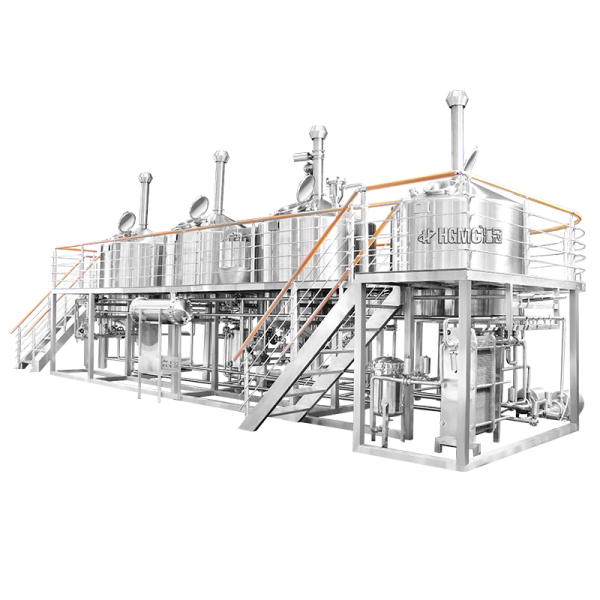
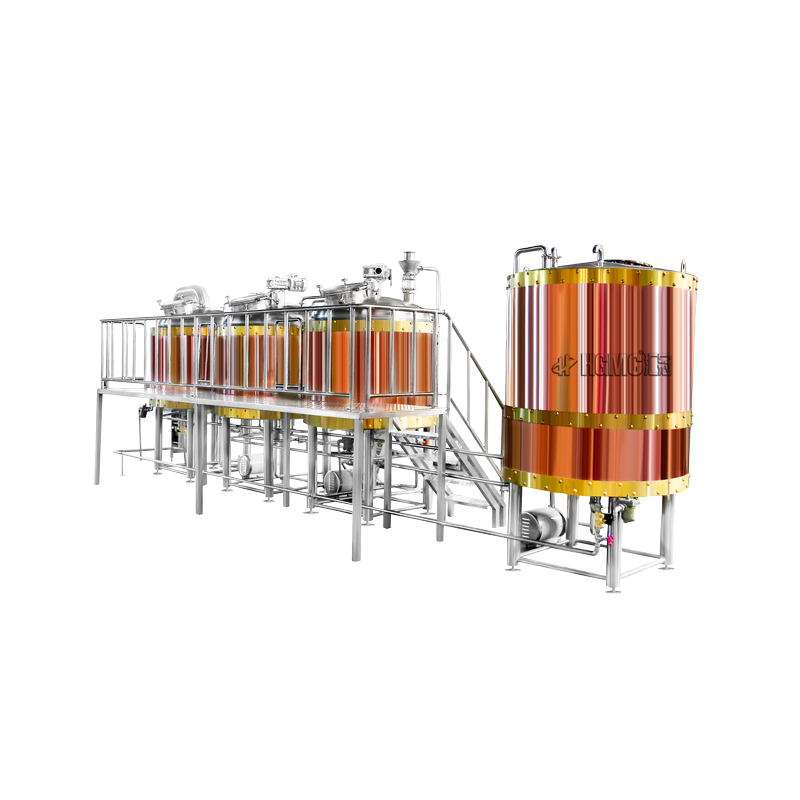
What equipment is required on the hot side?
The hot side normally includes:
Malt mill
Mash tun
Lauter tun
Brew kettle
Whirlpool
Hot liquor tank
Wort pumps
Heat exchanger
Some breweries use a combined brewhouse configuration, while others separate the vessels to improve production flexibility.
What equipment is required for fermentation?
The cold side may include:
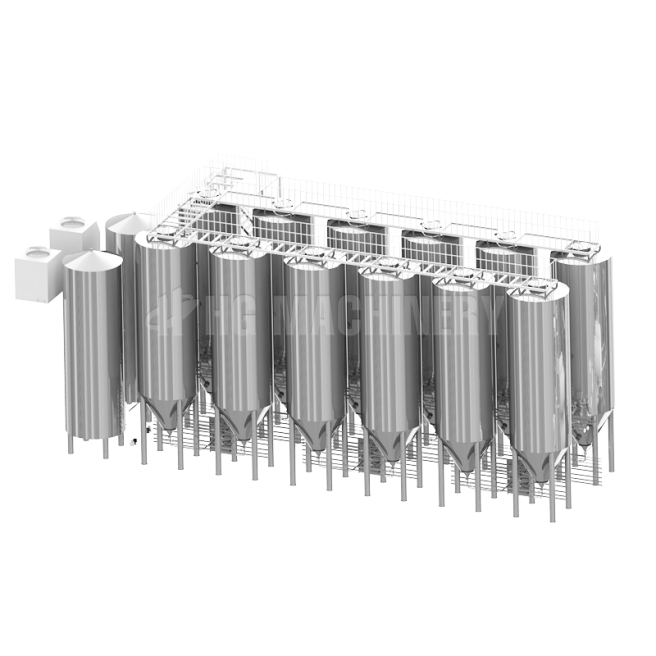
Cylindrical-conical fermenters
Bright beer tanks
Glycol chiller
Glycol storage tank
Glycol pumps
Temperature control system
CO₂ system
The number of fermentation tanks depends on production volume and fermentation residence time.
Is a CIP system necessary?
For a commercial brewery, a properly designed cleaning system is an important part of the process.
A CIP system can clean tanks, pipes and process equipment using controlled circulation of cleaning solutions.
A typical system may include:
CIP tank
Cleaning pump
Spray devices
Valves
Piping
Temperature control
Chemical handling equipment
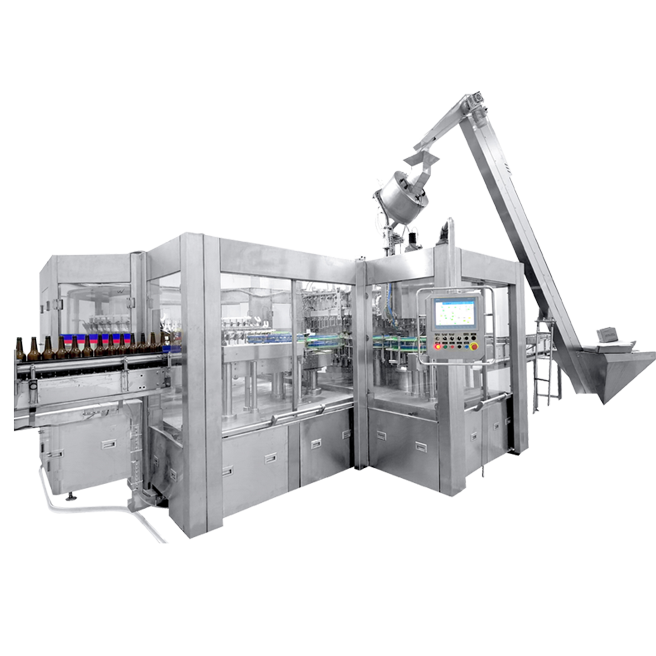
What packaging equipment is required?
The packaging system depends on the product format.
A brewery producing kegs may require a keg cleaning and filling system.

A brewery producing cans may require:
Can rinser or preparation system
Beer filling machine
Can seamer
Conveyor
Date coder
Labeling or packaging equipment
Bottle production requires a different filling and capping configuration.
Does every brewery need full automation?
No.
Automation should be selected according to production requirements.
A small craft brewery may use semi-automatic controls, while a larger brewery producing several batches per day may benefit from automated valve sequencing, temperature control, recipe management and CIP.
What determines the equipment configuration?
The main factors include:
Annual production
Batch size
Number of brews per day
Beer styles
Fermentation time
Packaging format
Building size
Utility availability
Labor requirements
Expansion plans
Final answer
A commercial brewery needs an integrated system covering brewing, fermentation, cooling, cleaning, transfer and packaging.
The correct equipment list should be developed from the brewery's production target rather than selected vessel by vessel.